



Дотик
Psychological support

Psychological support

Psychological Support

One of the key areas of our Center’s work is providing psychological and psychotherapeutic support for children and adults.

The duration of psychological support can range from short-term assistance (1–2 sessions) to long-term support (over a certain extended period of time).


During the initial session, our team specialists will help you choose the most effective and beneficial format and type of support tailored to your specific situation.


Psychological Support

Types of Psychological Support

Individual sessions

Individual sessions

Individual sessions with a therapist are a journey aimed at meeting yourself.

View more
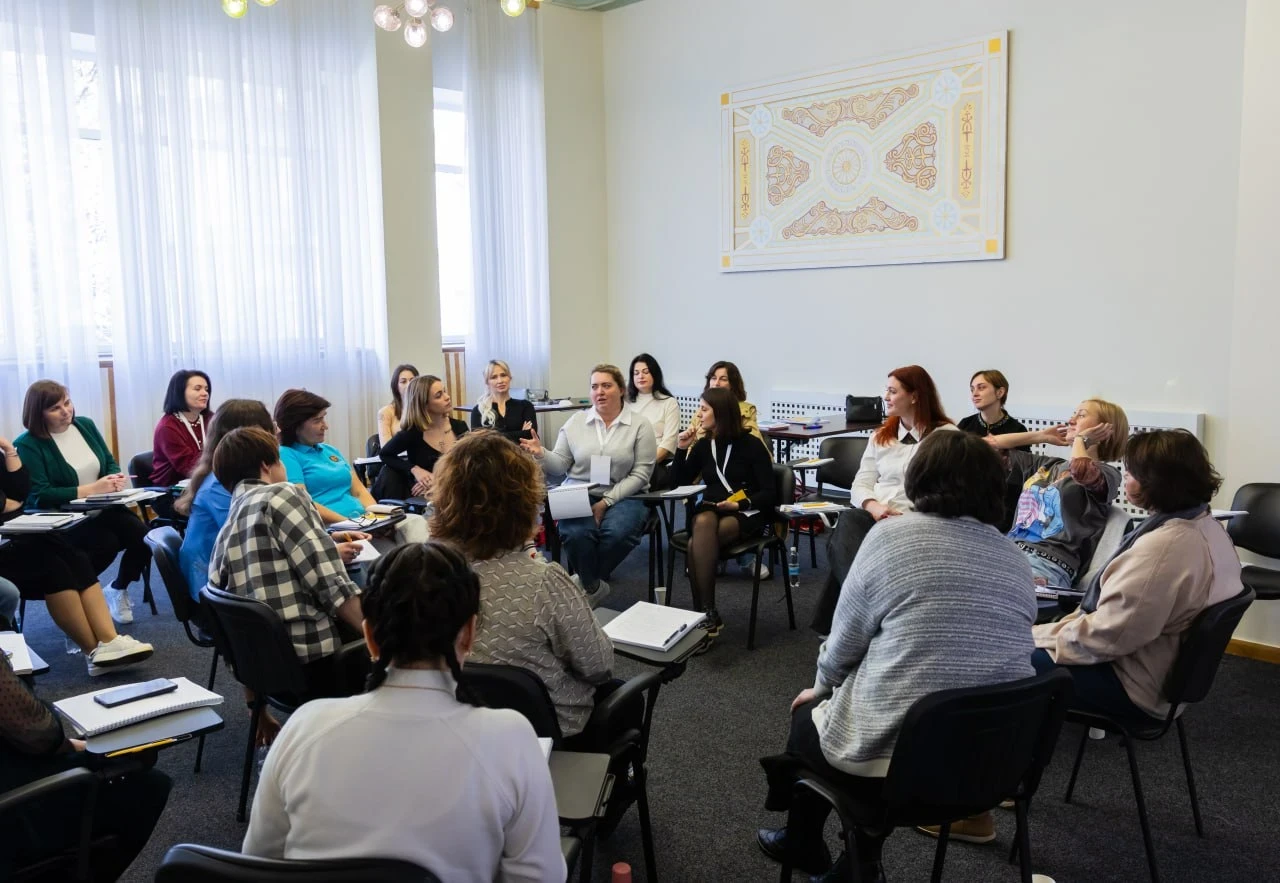
Group Therapy

Group Therapy

Attending group therapy is beneficial for people who seek support from others, want to feel a sense of belonging to a community, overcome feelings of loneliness, hear others' experiences of living with similar issues, and learn methods of self-support and self-care.

View more
Crisis support

Crisis support

Crisis support is a type of psychological assistance provided to individuals who find themselves in crisis situations. This refers to moments when a person experiences an event that causes a significant psychological shock, often occurring suddenly and unexpectedly.

View more

Frequently asked questions

What is the difference between a psychologist, a psychotherapist, and a psychiatrist?

Each of these three specialists provides psychological help, but their therapy methods differ. A psychologist and a psychotherapist work with mentally healthy individuals, while a psychiatrist works with people who have certain mental illnesses and problems that require, among other things, medication treatment.

A psychologist has higher education in psychology and conducts short-term psychological counseling or correction.

A psychotherapist can have either a medical or a psychological education, and has additionally trained in one or more methods of psychotherapy. For example: cognitive-behavioral therapy, gestalt therapy, psychoanalysis, client-centered therapy, etc. Treatment is carried out purely through psychological methods.

A psychiatrist has a higher medical education and has completed an internship in psychiatry. Only a psychiatrist can establish a diagnosis, prescribe medications, and treat mental illnesses with medication.

With a child of what age can a psychologist work?

There are no age restrictions regarding seeking help from a psychologist. Parents can contact specialists as soon as they notice the need for help or consultation. However, parents need to understand that the younger the child, the more work is done directly with the parents and through them. Work with the child is possible from about three years old, when the child can communicate directly with the psychologist through words, drawings, and play.

Can psychological support and mediation services be provided simultaneously?

Yes, these two services can be provided simultaneously. Sometimes people come to mediation on the recommendation of a psychologist. At times, a mediator may suggest consulting a psychologist or psychotherapist during the mediation process. Since these two specialists work on different issues (a mediator mainly works on the future, while a psychotherapist addresses the past) and have different goals (a mediator primarily works on restoring positive communication, dialogue skills, and agreement), the combination of both types of support can be complementary and beneficial.

When will the result be noticeable?

The result of psychotherapy, like mediation, depends on many factors, and most importantly, on the willingness of the parties to work towards resolving the issue they have come for. It is always a process of collaboration between the specialist and the individual. If the person has no desire to achieve a result, no psychotherapist, psychologist, or mediator will do it for them.

What exactly do I need, consultation or therapy?

In short, psychological counseling is a process that helps to understand the problem and find a way out of a specific situation, while psychotherapy is a process aimed at understanding how to stop getting into such situations, how to change your mindset, and thereby change your life. Although therapy may begin with a specific request, it is not limited to it, as deep exploration of the personality takes into account that requests will change over time.

In practice, psychological help is a very important mechanism and element of support not only for adults but also for children, especially during times of change in the family. It serves as a temporary support that allows one to move forward and resolve issues that arise within the family system and for each individual member at different stages of relationship.

Both counseling and therapy can be provided in individual (one-on-one with a psychologist/psychotherapist), family (with a couple or other family members), or group (with strangers who have similar issues) formats.

Can a psychologist work online?

Life has taught us that almost everything can be done online. First, the pandemic, then the war... children learn online, play online, and adults work online... psychologists are no exception; they also work online.

How do we work?

Initial assessment

Initial assessment

Assessment of your needs and discussion of your request during the first consultation.

Planning support

Planning support

Development of an individual action plan to achieve your goals.

Implementation of sessions

Implementation of sessions

Conducting regular sessions according to your support plan.

Evaluation of results

Evaluation of results

Analyzing progress and adjusting the plan to achieve better outcomes.

Success stories

Other stories

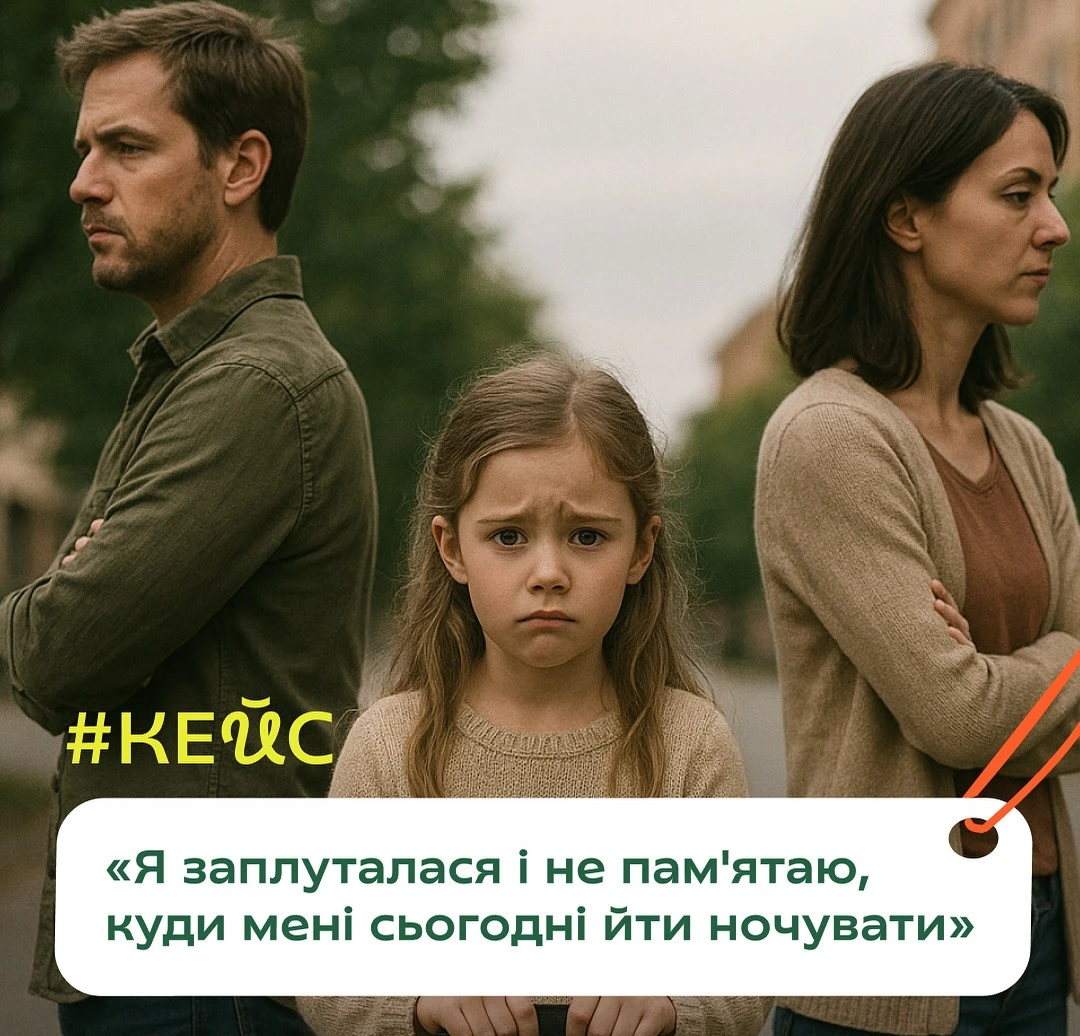
A second chance for a relationship after a long separation.

This case is a story about a couple who came to us with the desire to begin a new chapter in their relationship

Read more